
Sleep Apnea Treatment Belmont
An End to Restless Nights
High-quality sleep is one of the primary pillars of good health. Sadly, millions of people are deprived of the rest they need due to a disorder known as sleep apnea. If you suspect you have this condition, our Belmont dental team wants to help you put an end to restless nights. We work with skilled local physicians, and we can provide effective treatment via oral appliance therapy. Continue reading below to learn more about this advanced service.
Why Choose the Center for Contemporary Dentistry for Sleep Apnea Treatment?
- Convenient & Effective Oral Appliance Therapy
- Popular Alternative to CPAP
- Partnered with Skilled Local Physicians
What Is Sleep Apnea?
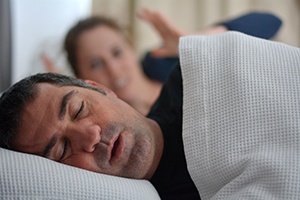
People with sleep apnea experience pauses in breathing or episodes of reduced breathing multiple times throughout the night. (These incidents are known as apneas and hypopneas, respectively.) If you have this condition, your body experience microarousals in order to restart your breathing, which can pull you out of the deeper stages of sleep and prevent you from fully benefiting from your nightly rest. There are a few types of sleep apnea, but the most common is obstructive sleep apnea (OSA), which occurs when tissues in the upper airway block the free flow of oxygen.
If you snore loudly, frequently wake up gasping for air, or always feel exhausted, you may need to undergo testing for this condition.
The Dangers of Sleep Apnea
While sleep apnea might seem like it is just an annoyance, it can actually pose a real threat to your health and quality of life in multiple ways:
- Sleep apnea is associated with an increased risk of many medical problems, including stroke, heart attack, high blood pressure, and heart attack.
- Sleep apnea can make you feel extremely tired during the day, which can affect your ability to drive safely.
- You may be more prone to emotional disorders, such as anxiety and depression.
- Your relationships may suffer due to the exhaustion and sexual dysfunction that sometimes result from sleep apnea.
Sleep Apnea Treatment Options
OSA is a serious condition, but it is also highly treatable. Many people use a CPAP machine, which uses pressurized air to keep the airway open. Unfortunately, CPAP therapy is notorious for being inconvenient and uncomfortable. Some patients even stop using their machine due to their strong dislike for it.
In our practice, we offer an effective alternative: oral appliance therapy. We can design a small device that gently shifts your lower jaw forward during sleep. This helps to keep your airway open so you can breathe without interruption. Oral appliances tend to have a significantly higher compliance rate than CPAP therapy.
Sleep Apnea FAQs
Why Should I See a Dentist for Sleep Apnea Treatment?
At first, the idea of visiting a dentist for sleep apnea treatment might seem odd. However, dentists are uniquely trained to evaluate the anatomy of your mouth, jaw, and airway, which can contribute to obstructive sleep apnea. By working closely with you, we may be able to identify the cause of your symptoms and recommend appropriate solutions.
Plus, because you should visit us regularly anyway, we can help you to identify signs of sleep apnea. For example, if we notice airway abnormalities or if you complain of common sleep apnea symptoms, we can help you get started on your diagnosis and treatment journey.
Does Everyone Who Snores Have Sleep Apnea?
Snoring and sleep apnea are related, but they are not the same condition. Snoring is simply the sound that occurs as air moves past loose tissues in the throat. Sleep apnea, on the other hand, involves repeated interruptions in breathing during sleep, which can have serious health consequences if left untreated.
Loud, frequent snoring is a common symptom of sleep apnea. However, not everyone who snores has this disorder, and the absence of snoring does not mean you do not have sleep apnea. Other signs of sleep apnea that you should watch for include daytime sleepiness, morning headaches, and gasping for air during sleep. Really, you should seek professional care whenever you are concerned about the quality of your nightly rest.
Can I Diagnose Sleep Apnea on My Own?
Sleep apnea is not self-diagnosable. This condition requires a professional evaluation, which might include a sleep study and a thorough examination of your oral and airway health.
Of course, you should still monitor the quality of your sleep. Keeping a sleep journal that notes potential symptoms of sleep apnea can help your medical team determine if you should undergo additional testing.
Will My Sleep Apnea Go Away If I Lose Weight?
Some cases of sleep apnea occur because extra weight is placing pressure on the airway. In such instances, weight loss can have a positive impact on sleep apnea. However, losing weight does not always completely resolve sleep apnea, and some individuals may continue to experience symptoms despite lifestyle changes. It is important to understand that each case is unique. We advise ongoing treatment and monitoring, even as you work toward your health goals.
How Can I Travel with Sleep Apnea?
Traveling with sleep apnea requires some planning, but it is possible to maintain your treatment routine while away from home. Oral appliances are compact and easy to transport, making them a convenient option for those who travel frequently. We can provide guidance on caring for your device and keeping it clean during your trip.
We also advise that you carefully manage your sleep routine while you are traveling. This might require you to plan extra time for rest, that you bring your own pillow, or that you make other adjustments to prioritize getting enough sleep.